Exploring Earth’s Seven Continents
The Earth is a diverse and fascinating planet, home to a myriad of cultures, landscapes, and ecosystems. One of the fundamental ways we categorize and understand our world is through its continents. In this article, we delve into the concept of continents, exploring what they are and detailing the seven continents that make up the Earth’s surface.

What Are Continents?
Continents are large landmasses that form the primary divisions of Earth’s surface. They are typically defined by their distinct geological features, including landmass size, tectonic plate boundaries, and cultural characteristics. These vast expanses of land play a crucial role in shaping global climate patterns, biodiversity, and human history.
The Seven Continents:
1. Asia
As the largest continent, Asia spans across diverse landscapes, from the frozen tundra of Siberia to the lush rainforests of Southeast Asia. It is home to numerous ancient civilizations, bustling modern cities, and iconic landmarks like the Great Wall of China and the Himalayan mountain range.
2. Africa
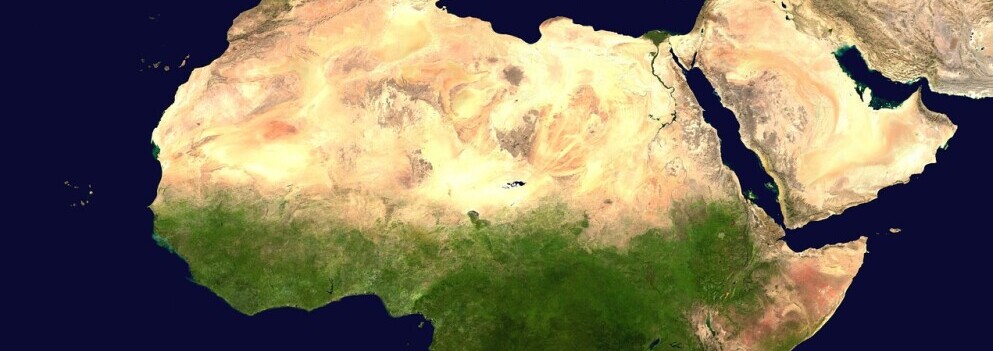
Known for its rich biodiversity and cultural heritage, Africa is the second-largest continent. It boasts expansive savannas, dense jungles, and vast deserts like the Sahara. Africa is also renowned for its diverse wildlife, including the “Big Five” animals—lion, elephant, buffalo, leopard, and rhinoceros.
3. North America
From the icy wilderness of Alaska to the sun-kissed beaches of the Caribbean, North America offers a diverse array of landscapes and experiences. It is home to iconic landmarks such as the Grand Canyon, Yellowstone National Park, and the Statue of Liberty.
4. South America
South America is a continent of contrasts, featuring the majestic Andes mountains, the lush Amazon rainforest, and the arid Atacama Desert. It is also known for its vibrant cultures, including the ancient civilizations of the Inca and the vibrant rhythms of samba and tango.
5. Europe
With its rich history, stunning architecture, and cultural diversity, Europe is a continent that has captivated travelers for centuries. From the romantic canals of Venice to the historic landmarks of Paris, Europe offers a tapestry of experiences for visitors to explore.
6. Australia
Often referred to as the “Land Down Under,” Australia is a continent and a country unto itself. It is renowned for its unique wildlife, including kangaroos, koalas, and the elusive platypus. Australia also boasts stunning natural wonders such as the Great Barrier Reef and Ayers Rock (Uluru).
7. Antarctica
As the coldest, driest, and windiest continent, Antarctica is a land of extremes. It is covered in ice sheets that hold about 70% of the world’s fresh water, making it crucial for regulating global climate patterns. Despite its harsh conditions, Antarctica supports a surprising variety of life, including penguins, seals, and seabirds.
Continents are not just geographical entities; they are the foundation of our understanding of the world and its diverse ecosystems. From the bustling cities of Asia to the pristine wilderness of Antarctica, each continent offers a unique blend of landscapes, cultures, and natural wonders waiting to be explored.
FAQs:
Q: What defines a continent?
A: Continents are typically defined by their large landmass size, distinct geological features, and cultural characteristics.
Q: Why are there only seven continents?
A: The concept of seven continents is a widely accepted convention based on geographical and cultural distinctions.
Q: Is Zealandia considered the eighth continent?
A: Zealandia is a mostly submerged continental fragment in the southwestern Pacific Ocean. While some scientists argue for its classification as the eighth continent, it is not universally recognized as such.
Q: Are continents static or dynamic?
A: Continents are dynamic and constantly evolving due to geological processes such as plate tectonics and erosion.
Q: How did humans populate all seven continents?
A: Human migration patterns, driven by factors such as climate change and exploration, have led to the settlement of all seven continents over millennia.
Q: Which continent is the most populous?
A: Asia is the most populous continent, home to over half of the world’s population.