Signs Of Over Watering Plants
Over watering plants is a super common mistake, especially for newer plant owners who want to make sure their green friends never go thirsty. Turns out, it’s possible to love your plants a little too much with all that extra water. Understanding the signs of over watering can help prevent root rot, yellow leaves, and other problems that can set healthy plants back. Here’s how I spot the warning signs and what I do about them before things go sideways.
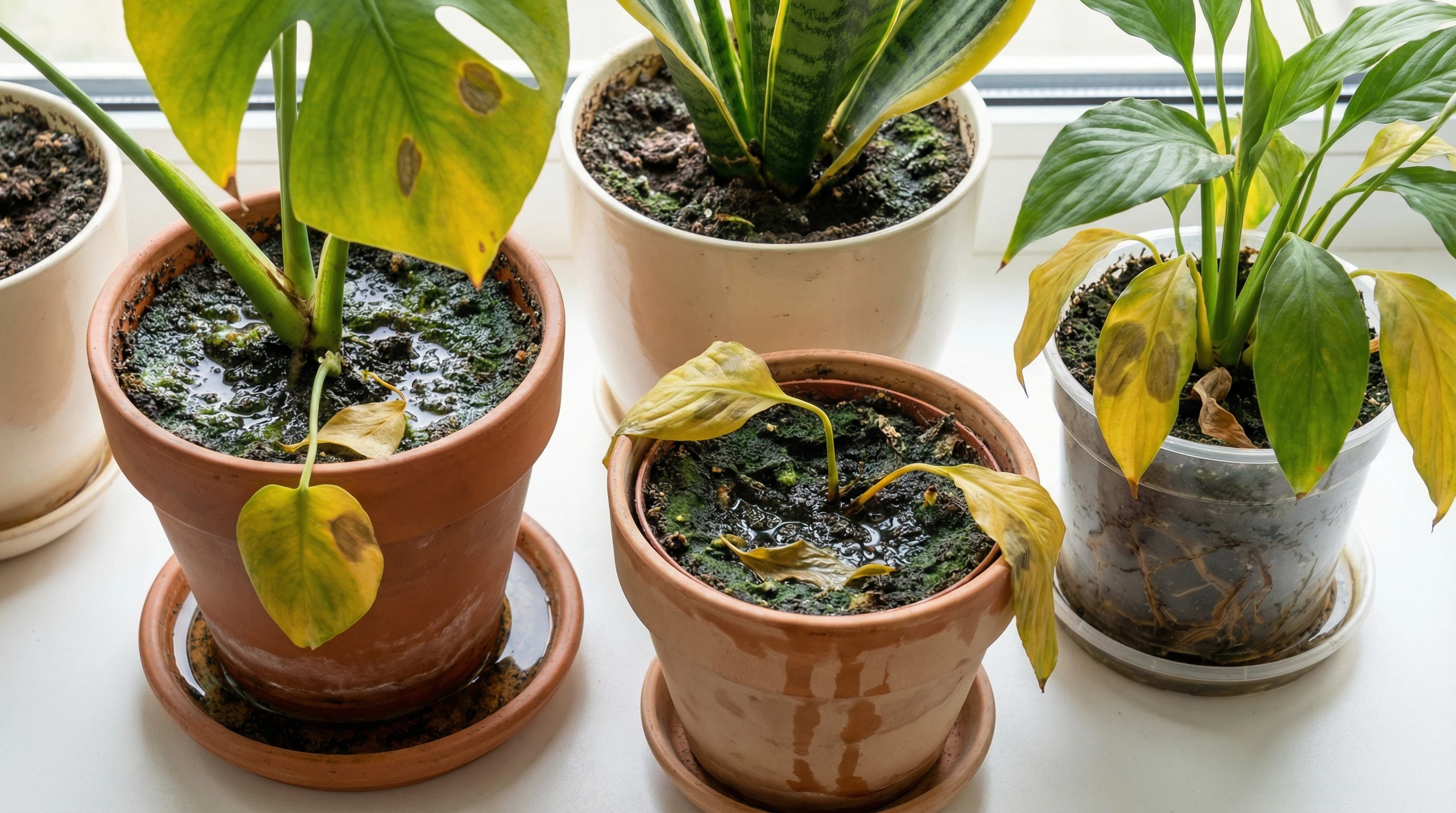
Key Signs that Plants are Getting Too Much Water
Plants need water to thrive, but too much can drown their roots and reduce the oxygen they get. This can lead to a bunch of visible warning signs that something isn’t right. Here are some key symptoms I usually look for if I think a plant is getting too much water.
- Yellowing Leaves: When leaves start to turn yellow, especially from the bottom up, it’s often a sign that the roots are too wet.
- Wilting (Even in Moist Soil): It’s pretty weird, but plants can wilt both when they’re underwatered and over watered. If the soil is wet and the plant looks droopy, there’s a good chance it’s had too much water.
- Mushy or Soft Stems: Healthy stems are firm. Mushy or squishy stems mean there’s likely rot happening below the soil.
- Edema (Blisters or Bumps): Sometimes, leaves will develop small bumps or blisters when they absorb water faster than they can get rid of it. This can look like blisters or little water-soaked patches.
- Leaf Drop: Over watered plants might lose leaves more quickly as a stress response. The leaves can fall off at the slightest touch.
- Root Rot (If You Inspect the Roots): Pulling a plant from its pot can show black, brown, or smelly roots that look mushy. Healthy roots should be white or light tan and feel firm.
Why Plants React Poorly to Too Much Water
It’s easy to assume more water equals more growth, but that’s one of the most common reasons houseplants go downhill. Roots need oxygen, and when soil gets waterlogged, they don’t get any. The lack of oxygen basically suffocates roots and makes it easy for harmful fungi and bacteria to take hold.
Plants might look like they’re struggling for water because they wilt, but it’s actually because their roots are rotting and can’t do their job. If this goes on long enough, a plant can die even while the soil still looks wet.
Common Mistakes Leading to Over Watering
Most of the time, I see people over water because of one of these issues:
- Poor Drainage: Pots without drainage holes or soil that compacts and stays soggy can trap water around the roots.
- Too Frequent Watering: Watering on a strict schedule, rather than checking if the soil is actually dry, can create problems fast.
- Large Pots with Too Much Soil: If a plant is in a way bigger pot than it needs, the soil might stay wet longer than the plant can use up the water.
- Seasonal Changes: Plants usually need less water when the weather cools down or there’s less sunlight, but habits can be hard to break at first.
- No Understanding of Plant Type: Different plants need different amounts of water. Succulents and cacti can go much longer between drinks than tropical plants.
Step By Step Guide: Checking for Over Watering
I use a simple routine to tell if my plants might be suffering from too much water. Here’s how I usually do it:
- Check Soil Moisture: Stick your finger or a chopstick a few inches into the soil. If it feels soggy, wait before watering again.
- Look for Yellowing or Wilting Leaves: Watch for changes starting from the lower leaves and moving up.
- Inspect Stems and Leaves: Check for softness or weird bumps, which suggests the plant is stressed.
- Lift the Pot: Heavier than usual? It probably still has a lot of water. Lighter pots can mean the soil is dry.
- Smell the Soil: A funky, musty, or sour smell means you may have root rot brewing in the pot.
- Peek at the Roots: If you can (and if the plant is showing a lot of problems), slip it gently out and take a look at the roots.
How to Fix Over Watered Plants
Catching over watering early can give your plants a shot at bouncing back. Here are some ways I turn things around when they’ve had too much to drink:
- Hold Off on Watering: First step, stop watering and let the soil dry out almost completely before the next watering.
- Improve Drainage: Make sure the pot has enough drainage holes, and consider adding perlite or gravel to the soil for better airflow.
- Repot if Needed: If the problem is bad or roots are mushy and brown, take the plant out of the pot, trim off any rotted roots, and repot in fresh, dry soil.
- Remove Damaged Leaves: Prune away any yellow, soft, or dying leaves. This helps reduce the stress on your plant and stop further rot.
- Let the Plant Recover: Put the plant in bright, indirect sunlight (not direct, as stressed plants can burn easily). Give it time to recover without further watering.
Other Problems That Look Like Over Watering
Some signs of over watering can be confused with other plant issues. Here’s how I try to tell the difference:
- Underwatering: Plants wilt and get dry, crispy leaves when they don’t get enough water. If the soil is bone dry, it’s more likely under watering.
- Pests: Things like spider mites or fungus gnats can also cause leaves to yellow and drop. Carefully check for bugs on the undersides of leaves and in the soil.
- Nutrient Deficiency: Sometimes, yellowing leaves are due to iron, nitrogen, or magnesium being low. Usually these cause patterns, like yellowing between leaf veins, rather than allover yellowing.
Tips to Prevent Over Watering Before It Starts
After losing a few plants to too much TLC, I now follow some easy steps so history doesn’t repeat itself:
- Water Only When Needed: Know your plant’s watering needs and check the soil before adding more. Most houseplants want to dry out at least an inch or two down between waterings.
- Use the Right Soil Mix: Fastdraining soil works well for most indoor plants. Specialty blends like cactus soil are perfect for succulents.
- Pick Pots with Drainage Holes: If a pot looks cute but has no hole, drill one or use a nursery pot inside it.
- Adjust for Seasons: Plants need less water in winter when they don’t grow as much. Overwatering is way more common in cooler, darker months.
- Keep an Eye Out for Patterns: If you notice the same issues popping up, it might be time to adjust your plant care routine.
Frequently Asked Questions
Here are a few common questions I hear about over watering plants:
Question: How do I know for sure if my plant is overwatered?
Answer: The most reliable way is to check the soil and roots. Soggy soil, smelly roots, and yellow leaves showing up together point strongly to over watering.
Question: Should I repot every overwatered plant?
Answer: Not always. If you catch it early and the roots look healthy, letting the soil dry out is usually enough. If roots are mushy or the soil smells really bad, repotting is helpful.
Question: How often should I water my houseplants?
Answer: There’s no set rule. Water only when your plant’s soil feels dry a couple inches down, and check plantspecific needs online or with a care tag.
Making Plant Care Easier
Knowing the signs of over watering gives you a better shot at keeping your plants healthy and thriving. Paying attention to your plant’s leaves, stems, and soil, and understanding their specific needs, makes a big difference. It’s always better to under water a bit than to risk give them too much, since most indoor plants can bounce back from a dry spell but not always from root rot. Regular checks and the right routine make plant parenthood way less stressful and way more successful.
To really give your plant care routine a boost, consider tracking your watering habits in a small notebook or plant care app. Make a note of when you water and how your plants respond. You might be surprised by patterns that show up over the months. As you get more experience, checking these notes helps you spot problems early and keep your plant collection in top shape. Remember, every plant is a bit different, and you’ll get a feeling for their unique quirks over time. Happy growing!