Top 10 Interesting Facts About Dolphins
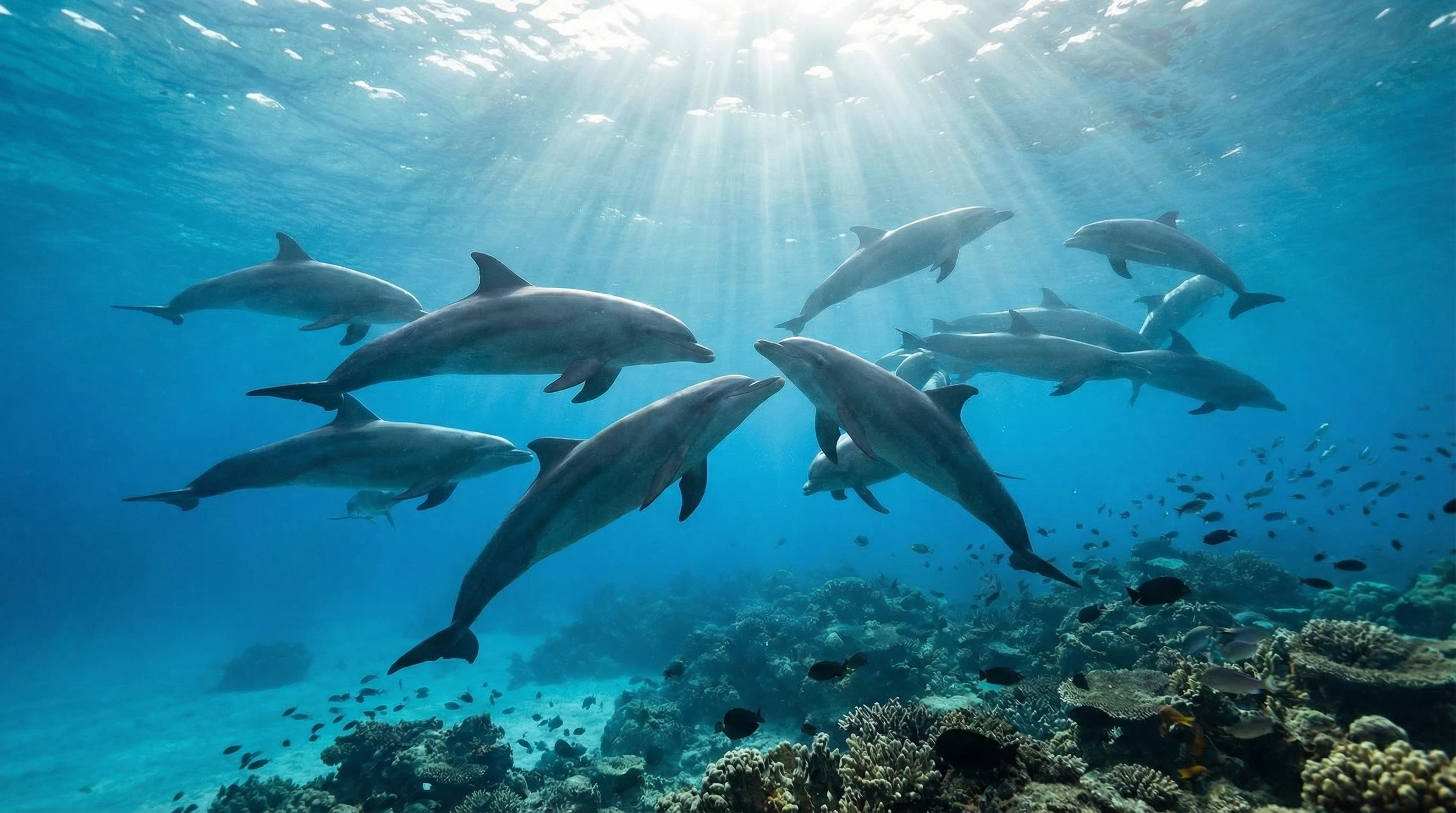
Dolphins are some of the most fascinating animals in our oceans and rivers. They’re known for their intelligence, playful nature, and complex social lives. Over the years, I’ve learned a ton about these aquatic mammals, and I’m always amazed by just how much there is to know. If you’re curious about dolphins or just love animals in general, here are ten really interesting facts about dolphins that might surprise you.
Why Dolphins Capture Our Curiosity
Dolphins have been a part of human stories and cultures for thousands of years, often seen as symbols of grace, freedom, and intelligence. Even today, they’re a favorite at aquariums and wildlife sanctuaries. People love watching dolphins perform flips, interact with trainers, and even paint. But there’s a whole lot more to these animals than what meets the eye.
Dolphins aren’t just loved for their appearance; they’re also some of the smartest creatures on our planet. Scientists are constantly making new discoveries about how they communicate, socialize, and even use tools. Their playful side is just a tiny piece of the puzzle that makes these mammals worth studying and protecting. Their intelligence leaves researchers constantly digging into dolphin behavior, communication, and the ways dolphins create thriving social communities.
Getting to Know More About Dolphins
Before jumping into the fun facts, it helps to know that dolphins are cetaceans, the same order of animals as whales and porpoises. There are nearly 40 species of dolphins swimming in oceans and rivers all over the world, each with its own quirks and features.
Many people are familiar with the bottlenose dolphin, probably because it’s the species featured in most movies and shows, but there are also orcas (killer whales), spinner dolphins, and even tiny river dolphins. Some live in family groups called pods, while others travel alone or in pairs. Their lifestyles and habits can be as diverse as the habitats they occupy. Some dolphins favor warm tropical waters, while others are found in cooler, temperate zones or muddy rivers filled with tangled roots and shifting currents.
- Bottlenose Dolphins: Famous for their friendly faces and curiosity around humans.
- Orcas: The largest members of the dolphin family, known for their striking black and white coloring.
- Amazon River Dolphins: Also called pink river dolphins for their light pink hue.
The Top 10 Most Interesting Facts About Dolphins
Time for the main event! Here are my ten favorite facts about dolphins that I think you’ll find really interesting.
-
Dolphins Have Their Own Names.
Dolphins use unique whistles to identify themselves in their pod. It’s almost like each dolphin has a name, and other dolphins will use that whistle to get their attention. Studies show that dolphins respond most quickly to their specific whistle, proving they recognize the sound as their own. -
Their Intelligence Is Top-Tier.
Dolphins have large brains compared to their body size. They’ve been observed using tools, like breaking off sea sponges to protect their snouts while foraging, and even teaching these tricks to their young. They can solve puzzles, recognize themselves in mirrors, and learn new behaviors by watching others. Their ability to learn new tasks, remember solutions, and pass knowledge to their pod members really sets them apart in the animal kingdom. -
Dolphins Communicate With Sound and Body Language.
Dolphins make a variety of sounds including clicks, whistles, and squeaks. These sounds can help them find food, warn other dolphins about danger, or just touch base with the group. Besides vocalizations, they also use body language, like slapping the water with their tails or making dramatic leaps, to get messages across. Scientists are still trying to break down dolphin “language,” and every new study seems to shed light on just how advanced their communication can be. -
They Use Echolocation to Hunt.
Echolocation is a skill similar to sonar. Dolphins send out sound waves that bounce off objects and return to them, helping the dolphin figure out what’s around it. This skill is pretty handy for finding prey in dark or murky waters, and even for avoiding predators. For some species that hunt at night or in deep waters, echolocation is a lifesaver, making them efficient hunters regardless of visibility. -
Dolphins Form Tight Social Groups.
Most dolphins live in pods that can range from just a handful up to hundreds of individuals, depending on the species and time of year. In these groups, dolphins work together to hunt, care for calves, and protect each other from threats. Friendships between dolphins can last for years, and some researchers even compare their social bonds to those in human societies. It’s common to see dolphins working as a well-coordinated team to corral schools of fish or take turns babysitting the young of the group. -
Some Dolphins Can Leap Up to 20 Feet Out of the Water.
Dolphins are well-known for their acrobatics, and watching them leap high into the air never gets old. Those jumps can serve all kinds of purposes: escaping predators, helping with communication, or just playing. Some dolphins even “bow ride” the waves at the front of boats, just for the fun of it. This kind of play helps them stay strong and agile, which pays off during hunting, too. -
Certain Dolphin Species Live in Rivers, Not Oceans.
Not every dolphin lives in salty seas. River dolphins are a smaller group that sticks to freshwater habitats. For example, the Amazon river dolphin has evolved a flexible neck to better steer through the winding waterways of South America. Unfortunately, river dolphin populations are shrinking due to pollution and habitat loss, so they need a lot of support from conservation groups. If you ever spot a pink dolphin, you know you’ve stumbled upon something rare and special. -
Dolphins Help Each Other When Injured or Sick.
One of the most heartwarming things about dolphins is how they look after each other. If a dolphin is injured or struggling to reach the surface for air, other pod members will help support them and keep them afloat. This shows just how strong their sense of community is. Their willingness to help each other, even at their own risk, is a trait more common in dolphins than most wild animals. -
They Sleep With One Eye Open.
Unlike humans, dolphins can shut down one half of their brain at a time. This ability lets them rest while still coming up to breathe and keeping an eye out for predators. So while a dolphin is “sleeping,” one eye will usually stay open to watch what’s going on. This makes sense, given the dangers of the sea; staying half-alert means they’re safer. -
Dolphins Have Been Observed “Surfing” Waves for Fun.
Dolphins are playful animals, and they’re known to surf waves created by boats or big ocean swells. No obvious reason for this behavior other than they seem to genuinely enjoy it. Watching a group of dolphins ride the waves together is honestly one of the coolest sights in nature. It’s a reminder that, like us, dolphins seem to take joy in just having a good time.
What To Know When Watching or Interacting With Dolphins
If you’re planning a dolphin-watching trip or thinking of swimming with dolphins, a few things are good to keep in mind for the safety of both you and the dolphins. Always choose ethical, responsible tour operators who follow wildlife-protection guidelines. Getting too close to wild dolphins can stress them out, even if they seem friendly. Feeding wild dolphins is also a bad idea, because it can change their natural behaviors and diet. Instead, maintain a respectful distance, use quiet boats, and always listen to the guides; these steps help ensure the dolphins stay healthy and wild.
- Respect their space: Maintain a safe distance and never chase or grab wild dolphins.
- Support conservation efforts: Many dolphin populations face threats from pollution and fishing gear. Consider donating to reputable wildlife groups or supporting campaigns that help keep oceans clean.
- Choose humane experiences: If visiting an aquarium, look for places that follow high standards of animal care.
Challenges Facing Dolphins Today
Dolphins face plenty of threats, both natural and created by humans. Habitat loss, pollution, overfishing, and noise from boats can all cause problems for dolphin populations. Entanglement in fishing nets is a big risk, especially for young dolphins, and pollution can harm their health. Climate change and rising ocean temperatures add even more stress for dolphins and their food sources. Organizations all over the world focus on research, rescue, and education to help dolphins survive and thrive. Being aware of how our actions impact marine life is a great first step in making a positive difference. Each small effort, like using less plastic or learning about local dolphin populations, can add up to real change.
Frequently Asked Questions About Dolphins
People usually have lots of questions about dolphins, so here are a few commonly asked ones:
Question: Do dolphins have to come up to breathe?
Answer: Yes, dolphins are mammals, so they cannot breathe underwater like fish. They have to come up for air through a blowhole on the top of their head, usually every few minutes when they’re active.
Question: Are dolphins dangerous to humans?
Answer: Generally, dolphins aren’t dangerous, but they are still wild animals and can be unpredictable. In rare cases, they may act aggressively, especially if they feel threatened. It’s best to watch from a distance.
Question: How long do dolphins live?
Answer: This depends on the species. Bottlenose dolphins, for example, can live 40 to 50 years or more with proper conditions, while some river dolphins have shorter lifespans. Wild dolphins typically live longer in protected areas without threats from humans.
Final Thoughts
Catching a glimpse of dolphins in the wild or learning about their lives can be pretty inspiring. They’re smart, social, playful, and absolutely worth protecting. Every new thing we learn about dolphins helps with efforts to conserve them and their habitats, so anyone taking the time to get familiar with these amazing creatures is contributing to a bigger picture. The ocean is full of mysteries, but dolphins are one of its most unforgettable stories. Whether you’re lucky enough to see them in person or just enjoy reading about them, dolphins will always represent some of the best nature has to offer.