The Aquatic Life: Unveiling The Mysteries Of Fish
Fish, with their graceful movements and diverse forms, inhabit almost every aquatic environment on Earth. But have you ever wondered about the intricacies of their lives beneath the water’s surface? In this article, we delve into the fascinating world of fish biology, exploring how they breathe, sleep, and reproduce.
How Do Fish Breathe?
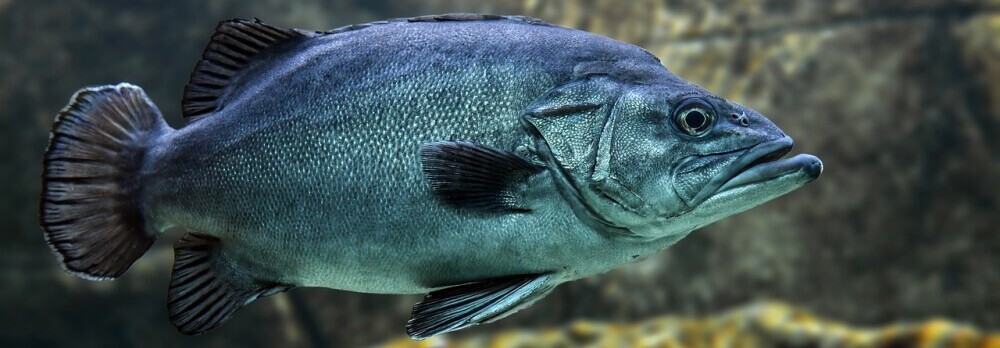
Breathing underwater might seem like an enigma, but for fish, it’s a natural process facilitated by gills. Gills are specialized respiratory organs located on either side of a fish’s head. Through a series of intricate mechanisms, fish extract dissolved oxygen from water and expel carbon dioxide. As water flows over the gills, oxygen molecules diffuse into the bloodstream while carbon dioxide is released back into the surrounding water. This efficient exchange allows fish to extract the oxygen they need to sustain life in their aquatic habitat.
How Do Fish Sleep?
Contrary to popular belief, fish do sleep, albeit in a manner different from terrestrial animals. Fish lack eyelids, so they can’t close their eyes for sleep. Instead, they enter a state of rest where their metabolism slows down, and their activity decreases. Some fish may seek out sheltered areas or reduce their swimming activity during this period. However, not all fish sleep the same way. Some species, like sharks, need to keep swimming to ensure a constant flow of water over their gills, while others may rest on the bottom or among vegetation.
How Do Fish Reproduce?
The reproductive strategies of fish vary greatly among species, but most follow a general pattern. Typically, fish reproduce externally, meaning they release eggs and sperm into the water. This process, known as spawning, often involves elaborate courtship rituals to attract mates. After fertilization, fish embryos develop externally or internally, depending on the species. Some fish, like salmon, migrate long distances to reach specific spawning grounds, while others, such as certain species of reef fish, release their gametes directly into the water column.
The mysteries of the underwater world continue to intrigue and captivate us. From the intricacies of how fish breathe to their unique sleeping habits and diverse reproductive strategies, each aspect of their biology offers a glimpse into the complexity of aquatic life. As we delve deeper into these realms, we gain a deeper appreciation for the wonders that lie beneath the waves.
FAQ:
Q: Do all fish have gills?
A: Yes, nearly all fish possess gills, although there are some exceptions such as lungfish, which have both gills and primitive lungs.
Q: Can fish drown if they stop moving?
A: Fish can suffocate if water is deprived of oxygen or if they’re unable to move water over their gills, but they don’t “drown” in the same way that terrestrial animals do.
Q: How long do fish sleep?
A: The sleep patterns of fish vary widely among species, but on average, they may rest for several hours each day, often during periods of reduced activity.
Q: How do fish protect their eggs?
A: Different species employ various strategies to protect their eggs, including building nests, guarding them against predators, or releasing them in sheltered areas.