They Psychological Benefits Of Drawing
Drawing has this special way of helping me feel more grounded and relaxed, even after a rough day. Grabbing a pencil and sketchbook just melts away the noise around me. It’s not about creating a masterpiece; often, it’s simply the act of putting lines on paper that delivers a sense of calm and focus. In this article, I’ll show how drawing can help boost your mood, reduce stress, and offer a range of psychological benefits worth checking out.
The Role of Drawing in Mental Health
Drawing can do a lot more than just create nice images. It can actually play a role in supporting mental well-being. While it’s common to associate drawing with artistic talent, a lot of research points to how anyone, no matter their skill level, can use sketching and doodling to improve their mood.
Drawing helps slow things down mentally. It gives your brain something soothing to focus on, similar to how meditation works. Art therapists often use drawing as a tool for self-expression and emotional release, especially in settings where talking feels intimidating. Backed by studies from groups like the American Art Therapy Association, drawing is shown to lower anxiety, help manage symptoms of depression, and contribute to a general sense of well-being.
While drawing isn’t a substitute for professional help, it’s a surprisingly accessible way to support your own mental health. Even a handful of scribbles or quick sketches can build a regular habit that supports your emotional balance.
How Drawing Reduces Stress and Anxiety
When my mind starts spinning with worries, doodling or even making simple geometric shapes seems to quiet things down. There’s some solid science behind this effect. Drawing activates the parts of the brain responsible for concentration and hand-eye coordination, which helps drown out stress signals and gives you a healthy break from overthinking.
Stress relief from drawing comes in different forms. Some people find it calming to create detailed patterns, like in adult coloring books, while others prefer loose, abstract sketches. A 2016 study published in the journal Art Therapy found that just 45 minutes of creative activity can lower cortisol, the hormone linked to stress. It’s not about the final picture; it’s the act of creating that makes drawing so effective as a coping tool.
Another helpful aspect is how drawing can anchor you in the present. When you focus on forming lines, shading, and blending colors, you put your attention on what your hands are doing. This focus can give a boost to your ability to tune out distracting worries, making your stress feel much more manageable.
Creative Expression as Emotional Release
Sometimes, there’s stuff on my mind I can’t quite put into words. Drawing helps process those feelings. If I’m frustrated, angry, or even just restless, moving a pencil or pen across paper gives me a nonverbal outlet for my emotions. This isn’t unique to me; art therapy uses this idea on a much larger scale.
Expressing emotions visually is powerful because it bypasses the logic center of the brain. The shapes, colors, and images you create can reflect what you’re feeling deep down, even if you’re not consciously aware of it. This not only provides relief but can also lead to new insights and self-awareness. If you’ve ever felt better after scribbling out a wild, angry drawing, you’ve experienced this benefit first-hand.
- Journaling Through Images: Instead of writing, some people prefer to doodle their moods or sketch small comics of daily experiences. You might be surprised at how much you can say with just a few lines or drawings.
- Color Choice: Reaching for certain colors when you’re upset or happy says a lot about what you’re feeling inside. Even if you’re not sure what mood you’re in, letting your hands pick the colors can give a boost to your self-awareness.
- Abstract Marks: Even random marks on a page can become a safe space to express emotions without judgment. Letting go of rules or expectations gives your creativity room to breathe.
This unique kind of self-expression opens up another path for understanding yourself, going beyond what words can provide. Over time, it can help you get a sense of patterns in your emotions and reactions, deepening your personal insight.
Building Focus and Mindfulness with Drawing
Drawing naturally pushes you into a state of mindfulness, which is basically just being present in the moment. When I’m drawing, my thoughts stop jumping ahead to tomorrow’s to-do list or yesterday’s regrets. This is really important if you struggle with stress or anxious thoughts.
Repeating simple shapes or shading an area can have the same calming effect as guided breathing or meditation. The difference is, with drawing, you end up with something tangible at the end—a small product of your downtime, which makes the experience feel even more rewarding. Drawing before bed or after a busy day helps me transition into a relaxed frame of mind.
Some people even use drawing as a meditative practice, picking a single object and sketching it over several days. The routine of returning to the same drawing can build a sense of ritual and slow you down after hectic hours.
Ways to Use Drawing for Everyday Well-Being
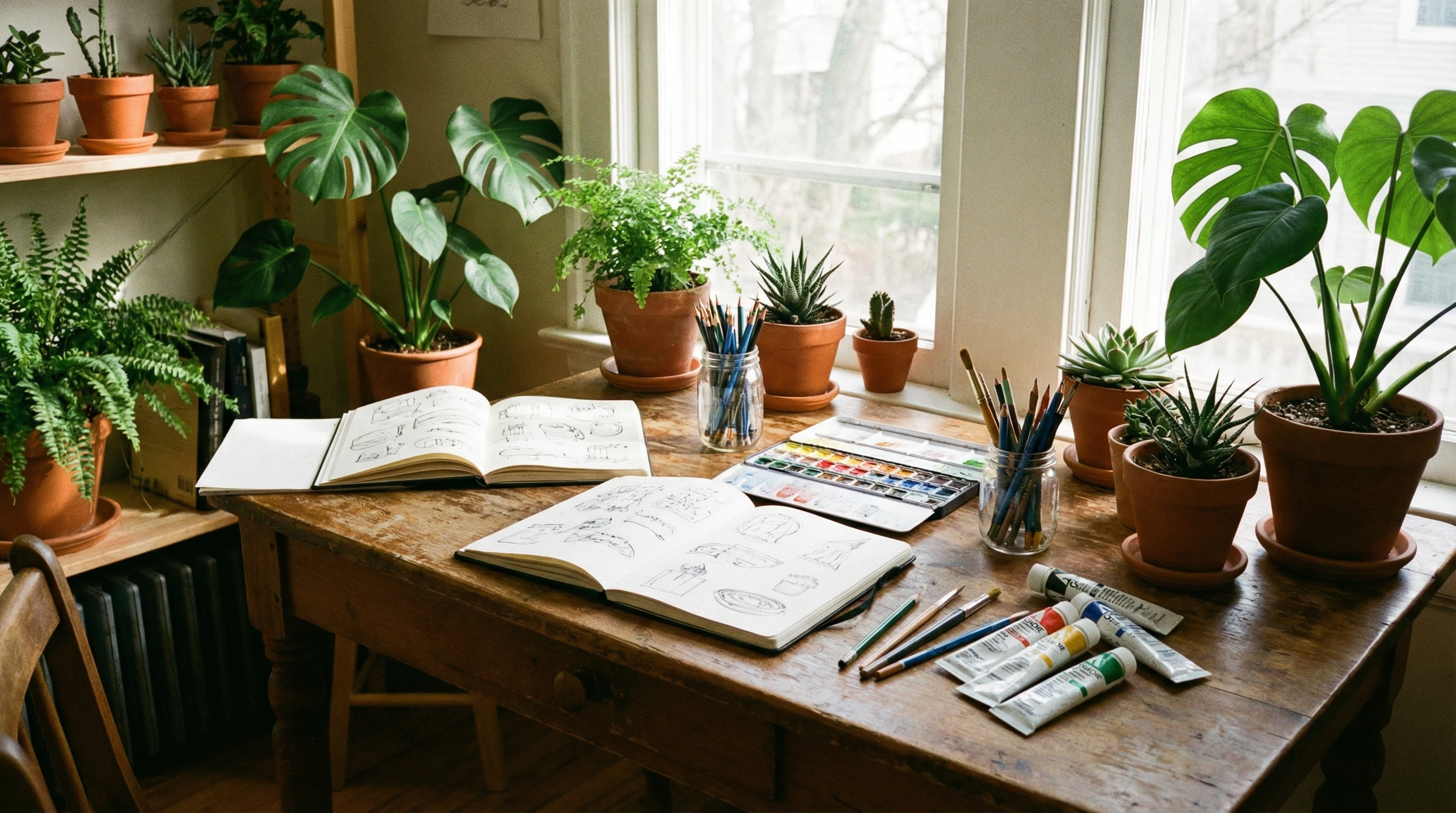
Adding drawing to your daily routine doesn’t have to take a lot of time or fancy supplies. Here are a few ways I like to fit it in, even when I’m busy:
- Start a Small Sketchbook: Carry a pocketsized sketchbook and a pen so you can doodle anywhere, whether you’re on the phone, during breaks, or while waiting in line.
- Try “Draw What You See”: Pick something around you and draw it without worrying about accuracy. The goal is to observe, not to make it perfect. This works well on your commute or even just sitting on the couch.
- Use Prompts for Inspiration: Online daily drawing prompts can kickstart your creativity and help you stick with the habit. You might stumble upon subjects that surprise you or take you out of your comfort zone.
- Jazz Up Your Journal: Mix sketches with your traditional written journal entries for a fun way to capture your days. This can help you remember even small, positive moments.
- Coloring: Grab an adult coloring book or print patterns to color. It’s easy, fun, and super relaxing. Coloring intricate designs or mandalas can bring you right into the zone.
Making drawing part of your self-care routine is all about consistency. Even spending five minutes a day brings noticeable benefits over time. With practice, those minutes add up to a meaningful new habit.
Potential Challenges and How to Overcome Them
Even though drawing brings plenty of benefits, it’s not uncommon to hit a few bumps along the way. Here are common challenges I hear from others and deal with myself, plus some simple fixes:
- Feeling Self-Conscious: Worrying about how your drawings look can take the fun out of it. I remind myself (and others) that the purpose isn’t perfection, but expression and relaxation. If you’re unsure, try drawing in a private notebook or on scratch paper.
- Lack of Time: Sketching for just five minutes, or doodling on your lunch break, is enough to see a difference. Small bursts of creativity add up and start to shape a habit.
- Creative Block: Staring at a blank page is intimidating! I use drawing prompts or copy favorite shapes and patterns until inspiration returns. Messing around with different tools or styles often helps break through creative block.
- No Supplies: You don’t need expensive tools. A ballpoint pen and the back of an envelope work just fine when the mood strikes. Repurposing everyday paper can make the experience less daunting.
Pushing past these barriers is easier the more you embrace drawing as a tool for wellness, not a test of talent. The more forgiving you are with yourself, the more enjoyable drawing becomes.
Getting Past Perfectionism
One of the sneakiest obstacles is the pressure to get everything “right.” Perfectionism can creep in, making you feel like you have to erase or start over if the drawing doesn’t look exactly how you imagined. If this sounds familiar, experimenting with abstract doodles or working in a journal that no one else sees can help break the ice. Remember, the act of drawing is what matters most. It’s about enjoying the adventure, not arriving at a polished product.
Comparison Trap
If you spend time on social media, it’s easy to get caught comparing your artwork to others. I find it helps to follow artists who share process photos or talk about creative struggles. It reminds me that every artist has off days, rough drafts, and tons of pages that never see the light of day. We’re all on different creative paths, and drawing for your own well-being is enough.
Frequently Asked Questions
Here are a few questions I often get about drawing and its impact on mental wellness:
Question: Is drawing helpful even if I have no artistic experience?
Answer: Absolutely! You don’t need any drawing background to benefit psychologically. Even random squiggles or basic shapes can help switch up your mood and offer calming effects.
Question: How long should I draw to feel the positive effects?
Answer: Even ten to fifteen minutes can make a difference. There’s no pressure to commit to long art sessions; smaller, regular breaks work well.
Question: Can drawing really help manage anxiety or depression?
Answer: Drawing provides a healthy distraction and outlet for emotions. Plenty of people, myself included, find relief from low moods and anxious energy by sketching.
Question: Do I need to share my artwork with others?
Answer: Not at all. Sometimes, keeping a private sketchbook is the most freeing way to draw. Sharing is totally optional. Drawing for yourself is more than enough to enjoy the benefits.
Drawing as Part of a Self-Care Routine
Adding drawing to your daily habits can help you unwind, notice what you’re feeling, and boost your overall mood. It’s accessible, inexpensive, and you don’t need any fancy training. From doodling in the margins to filling an entire sketchbook, drawing offers an easy way to reconnect with yourself and take a breather from life’s chaos.
If you’re new to drawing or returning after a break, now’s the perfect time to pick up a pen and check out how putting marks on paper can bring a sense of calm and creativity to your day. There’s no single “right” way to draw for your well-being; the key is to make it a practice you enjoy. Eventually, drawing can become a trusted tool in your self-care toolbox, helping you stay centered and tuned in to your needs as life moves along.