10 Fascinating Facts About Elephants
Elephants have earned their spot as some of the most fascinating creatures on the planet. Their intelligence, quirky habits, and family bonds inspire plenty of curiosity. Here’s a collection of interesting facts about elephants that highlight why these gentle giants stand out in the animal kingdom.
Getting to Know Elephants: Why They’re Worth Learning About
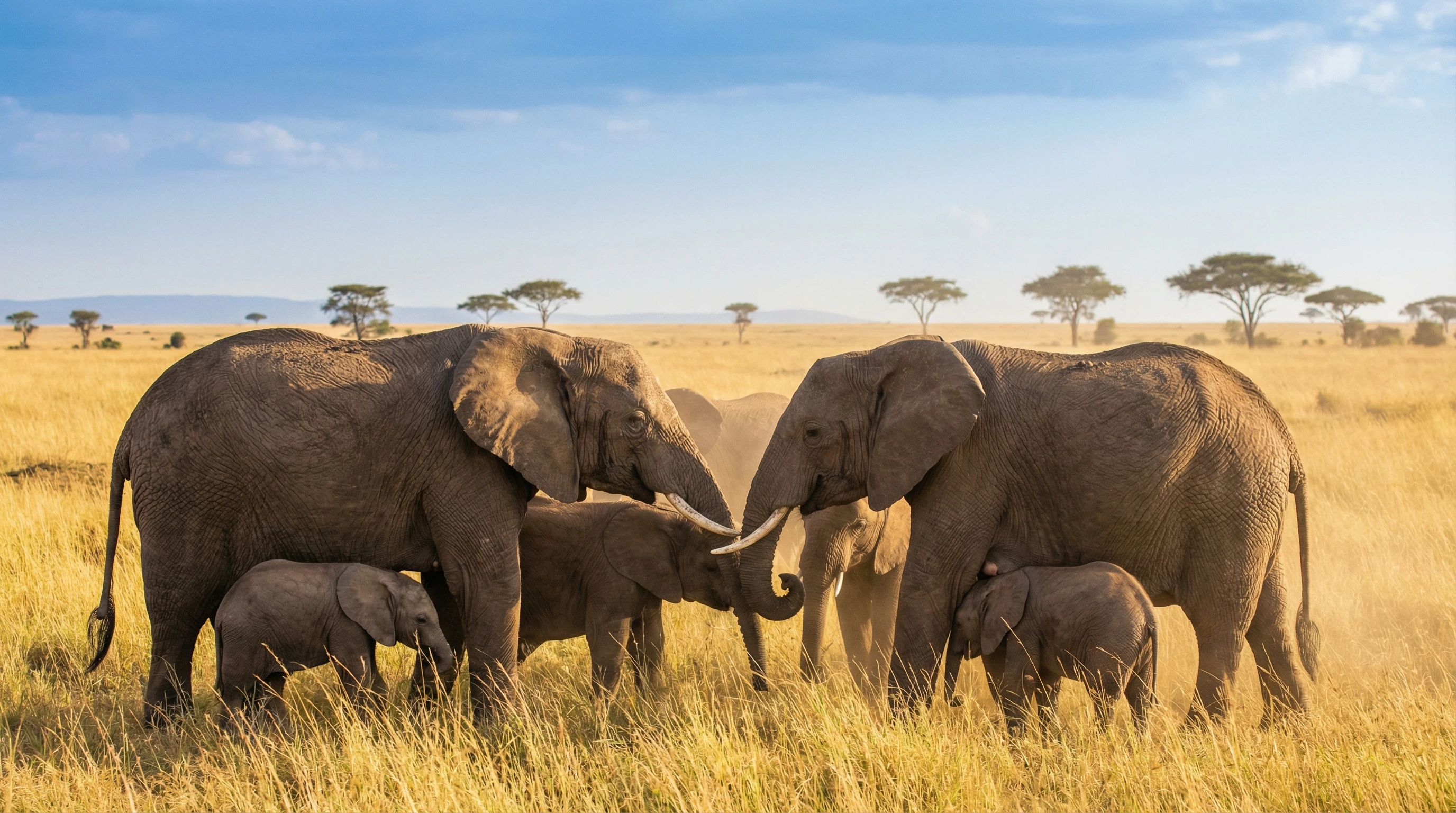
Elephants are the largest land animals in the world. While their size is impressive, it’s really their behavior, memory, and communication that get people talking. There are three main species: the African savanna elephant, the African forest elephant, and the Asian elephant. Each has its own quirks, but they all share some pretty remarkable features.
These animals play important roles in their ecosystems. As they move through forests and grasslands, they clear paths and spread seeds, which helps new plants grow. Researchers call elephants a “keystone species” because they actually shape the landscapes they live in. Without them, a lot of habitats would look very different. In fact, the presence or absence of elephants can set off chain reactions that shift the balance of local wildlife. Bigger open areas, more variety in plant growth, and waterholes used by multiple species are all products of elephant activity.
10 Fascinating Facts About Elephants
1. Elephants Have Incredible Memories
There’s a reason for the saying “an elephant never forgets.” I’ve read countless stories from researchers who watched older elephants lead their herds to hidden waterholes during droughts—spots they hadn’t visited in years. Scientists believe elephants remember places, individuals, and even routes over decades. This strong memory is especially useful in the wild, where changes and dangers are always around the corner. Their brains are some of the largest among land animals, making their memory a true wonder.
2. Their Trunks Are Super Versatile
An elephant’s trunk looks simple, but it does so many things. It’s a nose, an extra “hand,” a drinking straw, and even a trumpet. An average trunk has up to 40,000 muscles, which explains why elephants can gently pick up small berries or rip whole branches off trees. I’ve watched videos of elephants using their trunks to scratch itches behind their ears, showing how precise and flexible these appendages are. Plus, their trunks are sensitive enough to detect underground water and grab tiny objects off the ground.
3. Elephants Communicate in Surprising Ways
Besides trumpeting and rumbling, elephants use low-frequency sounds (called infrasound) to “talk” to other elephants dozens of miles away. These sounds are way below what humans can hear. Researchers working in national parks discovered that elephants often pick up these calls through vibrations in the ground, sensed through their feet and trunks. This long-range communication helps them find mates or warn each other of threats from far away.
4. Matriarchs Lead the Herd
Elephant families are led by a female called the matriarch. She’s usually the oldest and most experienced member, responsible for leading the group, finding food, and keeping everyone safe. Her memory and know-how are super valuable during tough times, like dry seasons or when the herd needs to avoid danger. Young elephants watch and learn from her every move. A herd’s success often depends on the matriarch’s leadership, especially when navigating unfamiliar terrain.
5. They Care Deeply for Family Members
Elephants are known for their empathy and social connections. They comfort each other with gentle touches or by entwining trunks. When a family member is sick or injured, others will guard and take care of them. Some groups have even been seen visiting the bones of deceased relatives, showing signs of mourning and memory. These moments highlight the emotional depth that elephants are known for, setting them apart from many other large mammals.
6. Elephants Are Playful
It’s easy to think of elephants as slow and serious, but they love to play, especially younger ones. Calves often chase birds, roll in mud, or splash in waterholes. Watching them run after each other, slip and slide, and just goof off really makes it clear how full of personality they can be. Playtime is more than just fun; it helps youngsters develop social skills and build strong bonds. Even adults get involved in water splashing and trunk wrestling, reminding us how lively elephants really are.
7. Tusks Have Many Uses and Risks
Both male and female African elephants usually have tusks, but in Asian elephants, tusks show up mainly in males. Elephants use these long incisor teeth for digging, stripping bark off trees, lifting objects, and defending themselves. Sadly, tusks have also made elephants targets for poaching, which is one of the biggest challenges they face today. Groups like World Wildlife Fund and Save the Elephants are working to protect them. Reducing demand for ivory and supporting local communities makes a difference.
8. They’re Smart Problem Solvers
Elephants are up there with dolphins and apes when it comes to smarts. In the wild and in research settings, they use tools, open gates, and even team up to solve tricky challenges. I read one study where elephants figured out how to use large rocks or logs to reach food that was out of reach, which shows some clever thinking. Their ability to learn and adapt is super useful in the wild. Elephants have also been seen working together to move heavy obstacles, showing they can think on their feet and work together.
9. Elephants Shape Their Ecosystems
These animals are often called “ecosystem engineers.” As they roam, elephants knock over trees, dig up soil, and eat huge amounts of vegetation. This reshapes the landscape, creating open spaces for other animals and helping seeds travel to new places. Waterholes dug by elephants become important spots for many species during dry seasons. I’ve seen forested paths and grasslands that exist mainly because of elephant activity. In turn, this provides opportunities for a variety of species to survive where they otherwise couldn’t.
10. Elephants Have Unique Ways of Keeping Cool
With their size, staying cool in hot climates is a daily challenge. Elephants love dust and mud baths; coating themselves with dirt acts like sunscreen and mosquito repellent. Their ears act like built-in cooling fans; by flapping them, elephants help lower their body temperature. Blood vessels close to the surface in the ears lose heat quickly, which is a simple but effective system. Mud baths can also heal insect bites and small cuts, giving elephants some relief from pests.
Challenges Elephants Face and How People Are Helping
Life isn’t easy for elephants in many parts of the world. The biggest problems are habitat loss (when forests or grasslands get cut down for farms and buildings) and poaching. Conservationists use a bunch of approaches to help, from setting up protected reserves to using satellite tracking collars that help researchers keep an eye on herds. Ecotourism and education also play roles, showing locals and visitors why elephants matter. Community involvement in conservation can lead to more successful long-term outcomes, and awareness campaigns help people make informed choices that support elephant well-being.
Support for elephant conservation can happen in small ways, like spreading the word about why protecting habitats helps more than just elephants, or opting for travel programs that give back to local communities while encouraging safe wildlife viewing. Donations to trusted organizations fund vital research and fieldwork. Every bit of effort adds up in the long run, and everyone can help, even if it’s just by sharing knowledge with friends and family.
Helpful Elephant Facts to Share
- A newborn elephant: weighs about 200 pounds (90 kilograms).
- Elephants eat: up to 300 pounds (over 130 kilograms) of food daily.
- Elephant pregnancies: are the longest of any mammal; almost 22 months!
- Speed on land: Elephants can move surprisingly quickly, up to 25 miles per hour, though usually only for short bursts.
- Lifespan: In the wild, elephants commonly live 60-70 years.
Frequently Asked Questions
Do elephants really recognize themselves in mirrors?
Scientists have tested elephants with mirrors, and in several studies, they’ve actually touched marks on their own heads, showing self-recognition. That puts them in a select club with dolphins and some great apes.
How do elephants help other animals?
By creating waterholes, clearing paths, and spreading seeds, elephants make it easier for other species, like antelopes, birds, and even plants, to thrive in the same regions.
Are elephant populations growing or shrinking?
Wild elephant numbers dropped for decades, mainly from habitat loss and poaching. In some areas, like parts of southern Africa, conservation programs are helping populations bounce back. Challenges remain, especially in West and Central Africa and parts of Asia, but there is hope when people get involved and make informed choices that support elephants.
Final Thoughts
Learning about elephants always leaves me a little awed by how much is packed into a single animal: strength, intelligence, and genuine kindness within their families. They remind us how complex and interconnected life on Earth can be. If you’ve ever had the chance to see elephants in the wild or even at a sanctuary, you’ll know how special these creatures are. Getting informed—and spreading word about the challenges they face—is a small but meaningful way to support their future. Staying aware and speaking up for elephants can help these symbolically powerful animals thrive for generations to come.