What Is The Science Behind Solar Energy
Solar energy has grabbed a lot of attention lately for being an ecofriendly and surprisingly accessible source of power. The science behind how sunlight gets turned into usable electricity is more fascinating than you might think. I’ll walk through what’s actually going on, so you’ll have a solid grasp of why solar panels work the way they do and how this technology fits into the bigger energy picture.
How Solar Energy Works: The Basics Explained
Understanding solar energy starts with getting familiar with the sun itself. Our sun gives off a mix of light and heat, both forms of radiant energy. Solar technology mainly focuses on converting that light, specifically visible and infrared wavelengths, into electricity using a process called the photovoltaic effect.
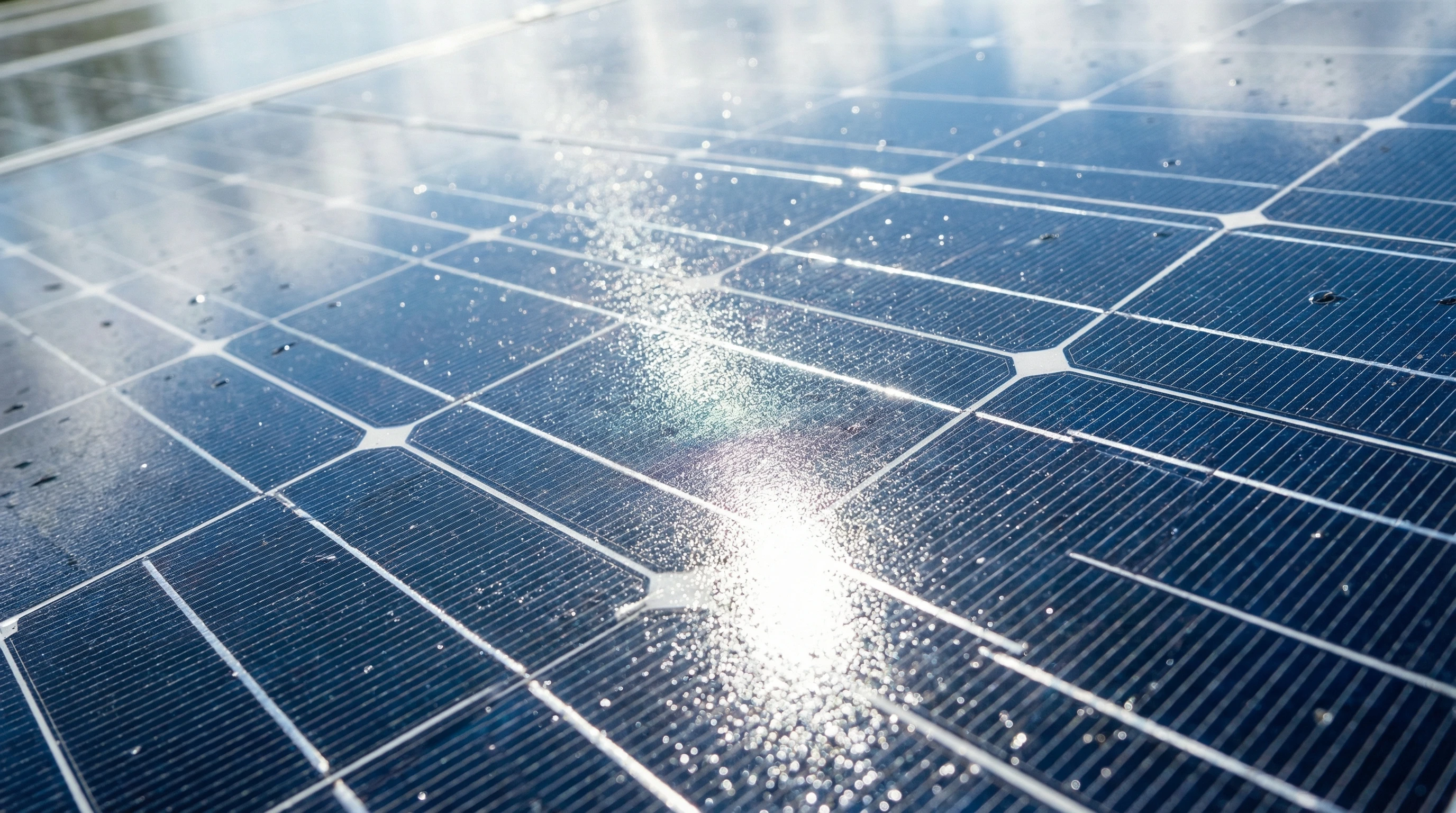
Solar panels, or photovoltaic (PV) panels, are made of semiconductive materials, most commonly silicon. When sunlight hits a solar cell, it gets right down to the atomic level. Light from the sun is made up of tiny particles called photons, and these photons have enough energy to knock loose electrons inside the material of the solar cell. When these electrons get moving, they create a flow of electricity that we can capture and use.
The process might sound technical, but at its heart, it’s just about turning sunlight into electric current. This makes solar panels a pretty handy tool, especially in places with lots of sun year round. It’s worth mentioning that the photovoltaic effect, a discovery dating back to the nineteenth century, was one of the earliest signs of how science could put natural phenomena to work in surprising ways. Today, solar panels are being fitted on everything from residential rooftops to massive power plants, making the most of this basic principle.
Breaking Down the Photovoltaic Effect
The photovoltaic effect is the science that powers the whole idea behind solar energy. Here’s a quick breakdown of how it happens step by step:
- Absorption: Sunlight hits the solar cell, and photons get absorbed by the semiconductive material (usually silicon).
- Excitation: This energy shakes electrons loose from their atoms, creating free electrons and leaving behind “holes” where they used to be.
- Electric Field: Each solar cell has a built-in electric field that pushes the newly freed electrons in a certain direction, which is what creates an electric current.
- Flow of Electricity: Metal contacts on the top and bottom of the solar cell collect the electrons and send them off as usable electric power.
This whole process repeats across thousands of solar cells that make up a typical panel, giving you enough energy to power all sorts of stuff, from small gadgets to an entire home or business. On a bright sunny day, you may be surprised just how much energy your rooftop panels can pump out into the grid, especially with up-to-date equipment and a south-facing setup.
The Main Types of Solar Energy Technology
There’s more than just solar panels involved in the world of solar energy. While photovoltaic panels are the most familiar to most people, two main categories make up the bigger picture of solar technology:
- Photovoltaics (PV): These directly convert sunlight into electricity using the process I mentioned above. Most rooftop solar systems and solar farms use PV panels.
- Concentrated Solar Power (CSP): This approach uses mirrors or lenses to focus sunlight onto a small area, turning it into heat. That heat then gets used, usually by heating up a special liquid to make steam, which spins a turbine and produces electricity.
Photovoltaics are the go-to for small and medium scale systems, while CSP tends to find a home in large utilityscale power plants, especially in super sunny places. There are even hybrid systems that combine both approaches to make the most of sunlight throughout the day and into the evening.
How Solar Panels Are Built and What Makes Them Efficient
The design of solar panels matters a lot for how well they actually work. Most residential and business systems use crystalline silicon panels, which are either monocrystalline or polycrystalline:
- Monocrystalline panels: Made from a single crystal of silicon. They tend to be a bit more efficient and spacesaving, but also a little pricier.
- Polycrystalline panels: Made by melting together many silicon fragments. Slightly less efficient, but makes them more affordable for bigger installations.
Some other types, like thinfilm solar panels, are flexible and lightweight, making them good for areas where heavy panels might not work. Panel efficiency (how much sunlight gets converted into usable electricity) is a big factor people look for, especially if you don’t have a huge roof or yard to work with. Typical efficiencies for home or commercial panels range from 15% to over 22% for the latest models.
Solar panel innovation has also given rise to bifacial designs, which capture sunlight from both the top and underside—increasing efficiency, especially if the panels are mounted over surfaces that reflect light upward. This is another reason why solar farms are popping up more in creative spaces such as over parking lots, water canals, or even floating on reservoirs.
What Are the Pros and Cons of Using Solar Energy?
Switching to solar comes with some neat advantages, but there are also a few things you’ll want to be aware of:
- Clean Energy: Solar does not produce emissions while in use, so it helps reduce pollution and fight climate change.
- Low Ongoing Costs: Once panels are installed, maintenance isn’t much, just keeping them relatively clean and shadedfree.
- Energy Independence: With your own solar system, you’re less tied to market prices or supply issues with the power grid.
- Upfront Investment: Panels and equipment can cost a good chunk up front, though financial incentives and falling prices help.
- Weather Dependence: Solar output drops on cloudy days or at night, so most systems work best with backup batteries or a grid connection.
- Space Needs: The more power you want, the more space you need for panels, though new technologies are improving this quickly.
Solar energy offers other perks too, like making homes more attractive to buyers and adding resilience in areas prone to blackouts. Local, state, and national rebates can sometimes slice thousands off the price, making solar more approachable than ever for people from all walks of life.
Things to Think About When Going Solar
Add solar power to your home or business, and a few details should be on your radar:
- Local Sunlight: Places with more regular sunshine will make solar a better investment. Shady roofs or super cloudy areas might need extra planning.
- System Sizing: Figuring out how much power you use helps you pick a system that fully fits your needs, too big wastes money, too small leaves you short.
- Battery Backups: If you want electricity when the sun’s not shining or during outages, a battery system makes sense. Just expect a higher investment.
- Grid Connection: Many homes stay linked to the local grid, so any extra electricity made during the day can be sent out for credit through net metering.
Doing some research on local regulations, incentives, and installer reputations helps you make a smarter decision, too. To learn more about home solar options and incentives, the U.S. Department of Energy has an official guide at energy.gov.
Remember to consider the age and material of your roof since installing panels right before a major re-roofing can be wasteful. For businesses, tax credits and accelerated depreciation can make switching to solar a savvy financial move, while for residential installs, energy savings may add up quickly depending on utility rates.
Real-World Impact: How Solar Energy Is Being Used
Solar isn’t just something for science fairs or hightech research labs. Panels now power homes, offices, farms, and even cars in some cases. Community solar projects let neighbors share big systems, while whole countries are boosting their use of solar to help handle power demands and meet cleaner energy goals.
- Residential Rooftop Arrays: These setups lower electricity bills and add to property value. Neighbors working together for community solar projects can help renters or folks without good roof space benefit, too.
- Commercial Projects: Warehouses, offices, and factories often have big roof areas that fit solar very nicely, saving on energy bills while checking off sustainability goals.
- UtilityScale Solar Farms: Out in wideopen, sunny places, huge arrays can supply power to whole towns or cities. These projects often use trackers that tilt panels during the day for more efficiency.
Some cities push for “solarready” building codes, and you’ll spot panels in unexpected places, like parking lot canopies, bus stops, or as part of highway noise barriers. There are also exciting new possibilities coming up, such as solar integrated into construction materials like shingles and facades, allowing new buildings to create their own energy from the start. The mix of small and large projects is helping solar get firmly established in both local communities and the broader grid.
Frequently Asked Questions About Solar Energy Science
These are some pretty common topics that come up from anyone new to the world of solar technology:
Question: How long do solar panels last?
Answer: Panels usually last 25–30 years or even longer, though their efficiency slowly drops over time. Most carry long warranties from the manufacturer.
Question: What happens on cloudy or rainy days?
Answer: Panels still work, but their output decreases because less sunlight gets through. That’s where batteries or grid power fill in the gaps.
Question: Are there any ongoing costs after installation?
Answer: Mostly minor cleaning and maybe a checkup every few years. Inverters (the part that converts solar power for your home) might need swapping out once or twice in a panel’s lifetime, usually after 10–15 years.
Question: Can solar power really replace all other types of energy?
Answer: Solar works best as part of a balanced energy mix. As technology improves and batteries get cheaper, it covers more needs, though some other sources are still necessary for cloudy regions or nighttime use.
Solar Science in Daily Life
The science behind solar energy links physics, chemistry, engineering, and realworld problem solving. Even if you don’t plan on installing panels anytime soon, understanding how they work gives you a window into how much modern life relies on smart uses of basic science. As costs fall and new tech keeps rolling out, solar energy’s role will only get bigger. Whether for powering a single light or shaping citywide plans, the science of solar continues to brighten up options for cleaner living.